How Philadelphia Clinics Educate Patients About Hygiene
Share this article:
If you’ve ever wondered how Philadelphia clinics educate patients about hygiene, here’s the truth: it’s not just about handing you a toothbrush and saying “good luck.” Great dental care means teaching you how to protect your smile between visits. At Main Street Dental Center City, I make sure every patient leaves knowing how to keep their mouth healthy, their smile bright, and their confidence high.
I’ve spent years helping busy Philadelphians, from lawyers rushing between meetings to grad students living off coffee, understand that oral hygiene isn’t complicated. It’s just about building good habits and knowing what really matters for your teeth and gums.
Why Hygiene Education Matters in Philadelphia Clinics
Philadelphia is a city that moves fast. People here work hard, grab coffee on the go, and sometimes skip a few steps in their dental routine. That’s where education comes in.
At Main Street Dental, I believe my job isn’t just fixing teeth, it’s helping people prevent problems before they start. Most dental issues, like cavities or gum disease, begin small. By catching them early and teaching prevention, we can save patients a lot of discomfort and expense later.
Here’s what true hygiene education looks like:
- Explaining the “why.” I don’t just say “floss more.” I explain how plaque builds up and how skipping flossing leads to gum inflammation and bone loss over time.
- Demonstrating the “how.” My hygienists show the proper brushing angles, flossing technique, and even how to clean around dental implants.
- Customizing advice. Not everyone’s smile is the same. If you wear veneers, have sensitive teeth, or use aligners, your care routine should be adjusted.
Philadelphia patients appreciate when information feels personal, not scripted. And that’s the goal: giving real answers that help real people.
Inside Dr. Eidelson’s Hygiene Program at Main Street Dental
When a new patient visits Main Street Dental, we start with a conversation, not a lecture. Most people already know they should brush and floss, but they often don’t know why their current habits might not be working.
Here’s how we approach hygiene education in my practice:
1. Personalized Consultations
During your first visit, I review your brushing routine, diet, and medical history. We talk about coffee, wine, and yes, Philly cheesesteaks. They’re delicious, but the acids and carbs can feed bacteria that cause plaque. My goal isn’t to make you give up your favorites—it’s to show you how to balance them with better care.
2. Professional Cleanings with Guidance
My hygienists are pros. While they clean, they also educate, pointing out areas where plaque tends to build and showing you how to reach them at home. We’ll recommend tools that make a difference, like electric toothbrushes or water flossers for those hard-to-reach spots.
3. Tech-Driven Teaching
We use intraoral cameras to show you your own teeth on screen. You can literally see where buildup happens and what healthy gums look like. Visual learning works wonders. It’s the dental version of “seeing is believing.”
4. Follow-Up Support
After your appointment, you’ll get reminders, product tips, and even links to videos if you need a quick refresh. Dental care shouldn’t end when you leave the chair.
The result? Patients become more confident about their hygiene routines and it shows. I can always tell when someone’s brushing and flossing properly between visits. Their gums tell the story!
Hand Hygiene and Infection Prevention Made Simple
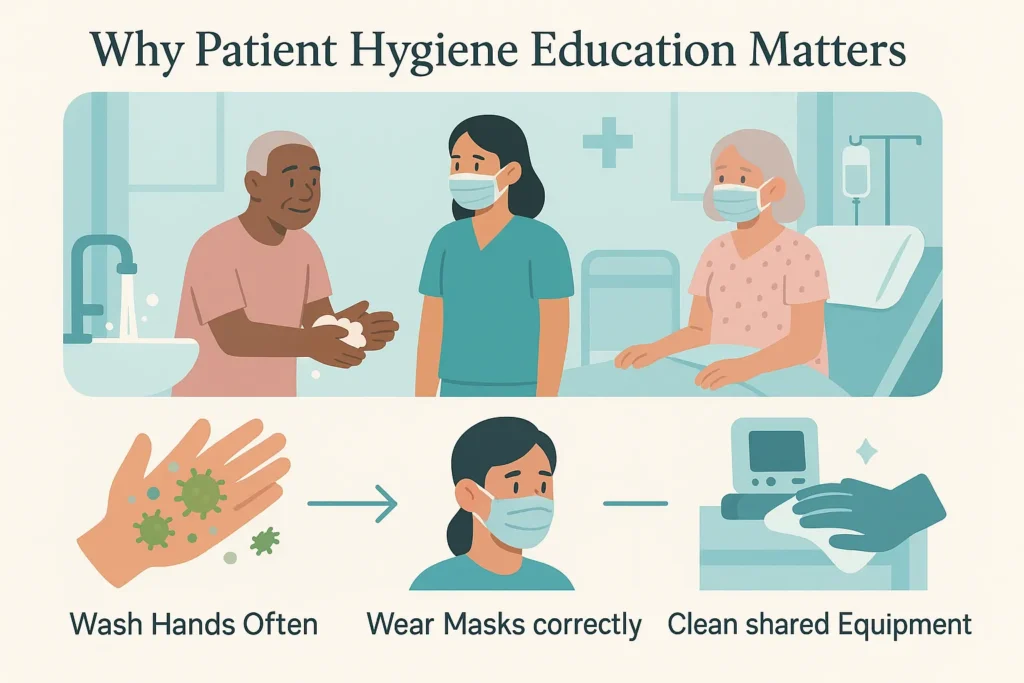
When most people think about hygiene in healthcare, they picture hand washing, and for good reason. It’s one of the simplest, most effective ways to stop infections.
In my dental clinic, hygiene isn’t just about teeth, it’s about keeping everyone safe. We follow strict sterilization standards that go beyond what’s required by law. Every instrument is disinfected, and every surface is sanitized between patients.
Here’s what patients often don’t realize:
- Dental offices operate under hospital-level infection control.
- Every tool is either disposable or sterilized after a single use.
- Protective barriers (gloves, masks, eyewear) are changed for every patient.
Education plays a role here, too. I make sure my patients understand why these precautions matter. In a city as busy and interconnected as Philadelphia, safety protocols protect both patients and staff.
I like to joke that “you could eat off the floors in my office—but please don’t.” That mix of humor and transparency helps patients relax while reinforcing how seriously we take hygiene.
Oral Hygiene Tips for Busy Philadelphia Professionals
Center City life is fast-paced, and let’s be honest, some days, oral care gets rushed. Between work, traffic, and late-night takeout, brushing twice a day might feel like an achievement. But there are easy ways to stay consistent.
Here are my go-to Philly-friendly oral hygiene tips:
1. Don’t skip your morning brush, even if you’re late.
Bacteria multiply overnight. Skipping your morning clean-up is like starting your day with a mouthful of leftovers.
2. Keep a travel kit at work.
A toothbrush, toothpaste, and floss picks fit easily in a desk drawer. Bonus points if you brush after that lunchtime hoagie.
3. Hydrate with water, not soda or coffee all day.
Water helps rinse away acids and debris, while coffee and soda wear down enamel. If you can’t quit caffeine (and few Philadelphians can), try alternating coffee with water.
4. Choose snacks that love your teeth back.
Nuts, cheese, and crunchy veggies actually help clean your teeth. Sticky sweets and processed carbs? Not so much.
5. Visit your dentist every six months.
I always say: “Don’t wait until it hurts.” Regular cleanings prevent small issues from becoming big ones.
And if dental visits make you anxious, remember—I offer sedation options to make your experience calm and comfortable. Many patients who used to dread the dentist now look forward to their visits (no joke).
The Future of Hygiene Education in Philadelphia
Dental education in Philadelphia is changing fast. Clinics like mine are using new technology and communication tools to help patients learn better.
Here’s where it’s headed:
- Digital reminders and video tutorials to reinforce home care tips.
- Patient education apps that track brushing and flossing habits.
- Community outreach programs in Center City and Bella Vista, bringing dental education to schools and workplaces.
I believe good oral health education should start early. That’s why I volunteer at local events, talking to students and families about healthy habits. The earlier people learn, the fewer problems they face as adults.
Philadelphia’s mix of tradition and innovation makes it a great place for modern dental care. From historical architecture to cutting-edge technology, the city thrives on progress, and so does dentistry.
At Main Street Dental Center City, I’ll keep doing what I love most: helping people understand their smiles and feel proud of them. Whether it’s explaining the science behind plaque or cracking a joke about flossing, my goal is the same: make good hygiene simple, stress-free, and part of everyday life.
Schedule Your Next Visit
If it’s been a while since your last cleaning, or you’re ready to upgrade your dental routine, come see us at Main Street Dental Center City in downtown Philadelphia.
You’ll leave with a fresh, clean smile, a few new tricks for keeping it that way, and maybe a laugh or two along the way.
Call us or book online today to schedule your appointment. Your smile deserves a dentist who cares about your comfort and your confidence.